Grieving Differently:
Grieving Differently: How Trauma, Belonging, and Safety Shaped My Response to the Iran Crisis
As the crisis in Iran unfolded, I found myself asking a painful question:
What is wrong with me?
Why did my childhood reactions suddenly return?
Why did I feel anger instead of only sadness?
Why couldn’t I watch the news?Why did I stop wanting to go outside and be around people?
Why did I throw myself into work — learning, building, over-functioning — as if my body was running from something?
And why, even though I care so deeply about human life, did I feel disconnected, restless, helpless, and overwhelmed inside?
I was trying to understand my reactions so deeply that I started reading more, researching more — even when it felt uncomfortable to admit how intense my emotions were.
As a psychotherapist, I’m used to holding space for clients and seeing situations clearly from the outside.
But being inside my own experience was completely different.
My nervous system wasn’t reacting only to the present. It was reacting to the past.
When trauma is triggered, the body doesn’t respond with logic — it responds with survival.
For me, watching young lives full of future being lost didn’t just bring sadness.
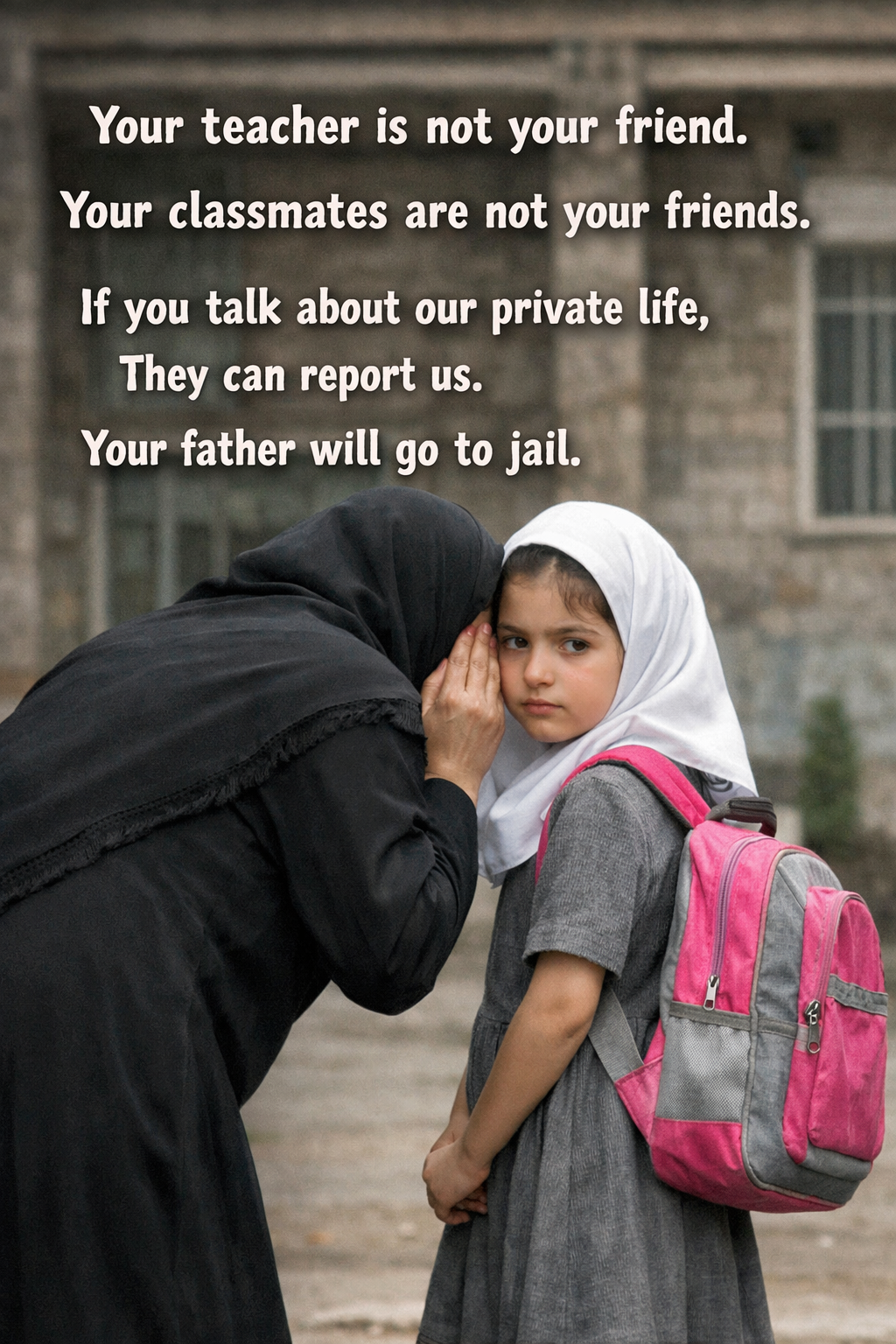
It brought my seven-year-old self back to the school gate.
Back to fear.
Back to silence.
Back to learning that the world is not safe.
My anger wasn’t random — it was my system trying to protect life.
My helplessness came from realizing I couldn’t stop it.
My inability to watch TV was my body saying: this is too much to hold.
And my over-functioning — designing, working nonstop, staying busy — was the same coping skill I learned as a child:
Stay productive.
Stay alert.
Stay ahead of danger.
My desire to withdraw wasn’t rejection of people.
It was my nervous system searching for safety.
This is how trauma resurfaces — not as memories, but as reactions.
There Is No Right or Wrong Way to Grieve
Some people cry.
Some protest.
Some feel anger.
Some feel numb.
Some detach.
Some hold hope.
All of it is human.
If you feel resentment — that’s grief.
If you feel exhaustion — that’s grief.
If you feel distance — that’s grief.
If you feel sadness — that’s grief.
Don’t judge yourself.
Don’t be ashamed of your emotions.
Your nervous system is responding to pain in the way it learned to survive.
And that is okay.
You are human.
And it’s okay to be human.
Safety, Belonging, and Where It All Began
In psychology, we understand that children don’t just need food and shelter to thrive.
They need three essential things:
• Safety — to feel protected in their body and world
• Belonging — to feel accepted, valued, and free to exist as themselves
• Stability and care — emotional support, nourishment, and consistency
Belonging allows a child’s nervous system to relax.
It builds identity, confidence, and trust in life.
When children feel they belong, they bloom.
When they don’t, part of them learns to hide.
And I know exactly when my hiding began.
Watching young lives being lost today awakened the little girl inside me — the daddy’s girl who learned she had to protect her father by staying silent, by not trusting teachers, and by never feeling safe enough to belong.
The child who lived in constant survival mode because her mother taught her that one wrong word could destroy their family.
That little girl didn’t grow up feeling protected by the world.
She grew up learning how to protect the people she loved.
From that moment on, belonging never felt safe.
I lived with two versions of myself:
Inside my home — free, expressive, loved.
Outside — careful, covered, silent, always alert.
Why My Reactions Make Sense Now
As I grew, my bonds grew too.
What once was fear of losing one person became fear of losing people.
What once was protecting my dad became protecting human life.
So now, when I see young lives being taken, my nervous system reacts as if the same danger is here again.
The threat feels familiar.
The helplessness feels familiar.
The grief feels familiar.
And because I can’t fix it — because I can’t protect them — my body responds with anger, distance, and exhaustion.
Not because I don’t care.
But because I care deeply.
When belonging once meant danger, the nervous system learns to step back.
When pain feels too big, it learns to shut down or stay busy.
That’s why I didn’t feel able to go out to gatherings.
That’s why I made excuses.
That’s why I worked nonstop.
My system wasn’t avoiding connection — it was protecting itself.
This Is Why My Grief Looks Like This
Some people grieve by gathering and hoping.
Some grieve by rebuilding.
And some grieve by choosing safety and survival.
None of these are wrong.
They are simply different nervous systems responding to pain.
My grief looks like anger toward the system that failed children.
It looks like helplessness when I can’t protect life.
It looks like distance when emotions become overwhelming.
And it looks like working hard to stay grounded.
And that is okay.